
Move Better & Live Stronger with Exercise Physiology

Movement Skill Development
Strength and Coordination
Physical Independence
Active Body Support
Move confidently and independently
Exercise physiology is a key early intervention supporting development of strength, coordination, mobility, and functional movement, helping children move confidently and independently in their everyday environments.
Early exercise physiology can assist children experiencing delays in gross motor development, such as balance, running, jumping, or coordination skills, as well as those with neurological, genetic, or musculoskeletal conditions.
Through individualised, play-based and developmentally appropriate exercise programs, exercise physiology enhances physical capacity and functional ability while supporting participation in play, learning, and social activities.
This foundational support promotes overall wellbeing and helps maximise each child’s potential during the critical early years.
Available services

Gross Motor Development
Exercise physiologists support children to develop foundational movement skills such as sitting, crawling, walking, running, jumping, and coordination. These skills build independence, confidence, and participation in play and learning. Programs are individualised to each child’s developmental stage and needs.
Strength, Balance, and Coordination
Some children experience reduced strength, low muscle tone, or difficulties with balance and coordination. Exercise physiologists use targeted, play-based exercise programs to improve postural control, body awareness, and overall movement confidence across daily environments.
Support for Neurological and Physical Conditions
Children with conditions such as cerebral palsy, developmental delay, genetic conditions, or acquired injuries benefit from exercise physiology programs designed to improve mobility, functional capacity, and movement quality. The focus is on maximising participation and independence in everyday life.
Equipment and Mobility Advice
Exercise physiologists assess functional movement needs and may recommend supportive equipment such as orthotics, walking aids, or seating supports. They collaborate with families and allied health professionals to ensure safe, practical solutions that enhance independence, comfort, and participation.
Our Exercise Physiology specialist
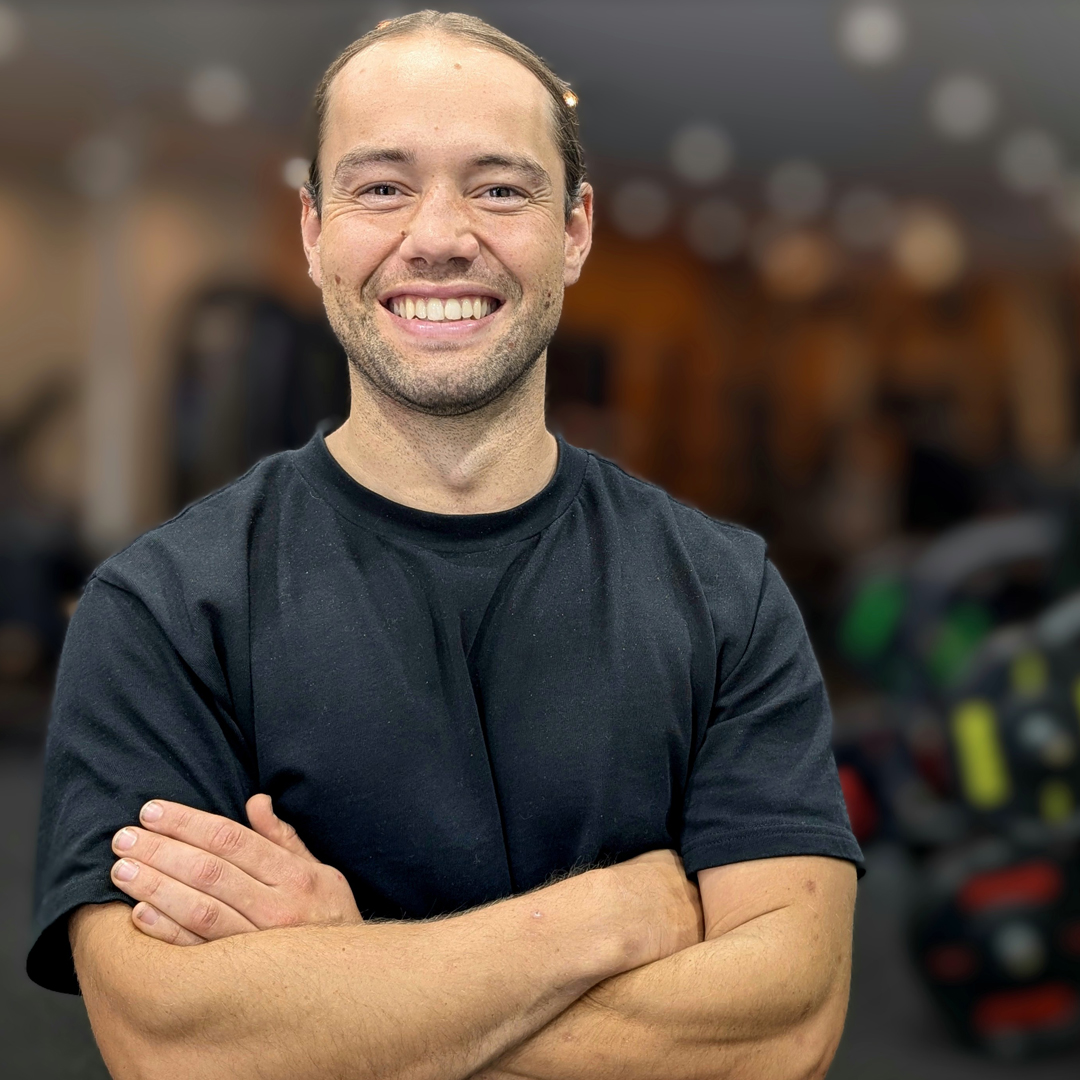
Alex Montgomery
Clinical Exercise Physiologist
Alex is a Clinical Exercise Physiologist with over 10 years of experience supporting individuals and families to build confidence, improve wellbeing, and participate more fully in everyday life. As the founder of Thrive Exercise Physiology Services, he works with clients across the Central Coast to deliver personalised, evidence-based support that promotes meaningful and sustainable outcomes.
Combine services for a comprehensive outcome
Educational Consultancy
Supporting learning success through expert guidance, advocacy, and tailored strategies.
Psychology
Providing compassionate assessment and therapeutic support to empower children and families.
Speech Pathology
Developing confident communication through personalised speech and language therapy support.
Occupational Therapy
Building independence through play-based support for everyday skills and development.
Early Intervention
Supporting movement, strength, and coordination for confident, active childhood development.
Exercise Physiology FAQs
What does an Exercise Physiologist do at Coastal Early Intervention Clinic?
Our Exercise Physiologists support children’s physical development by helping them build strength, coordination, balance, and mobility. They use fun, play-based exercises to improve gross motor skills like sitting, crawling, walking, and running.
How do I know if my child needs Exercise Physiology?
If your child is late reaching movement milestones, seems uncoordinated, has low muscle tone, or struggles with balance and posture, exercise physiology may help. A simple assessment can provide clarity and direction.
What kinds of conditions do Exercise Physiologists support?
We work with children who have developmental delays, neurological conditions (such as cerebral palsy), genetic disorders, low tone, or motor coordination difficulties. We also support children recovering from injury or needing help with movement confidence.
Do Exercise Physiologists recommend equipment or aids?
Yes. Our Exercise Physiologist can assess your child’s needs and recommend supportive equipment such as orthotics, walkers, or seating aids. We work with you to ensure the equipment is safe, appropriate, and enhances your child’s independence.
Is Exercise Physiology covered by NDIS funding?
Yes. If your child has an NDIS plan that includes goals around mobility, independence, or physical development, Exercise Physiology can often be funded under “Improved Daily Living.” Our team can help you navigate your funding options.